
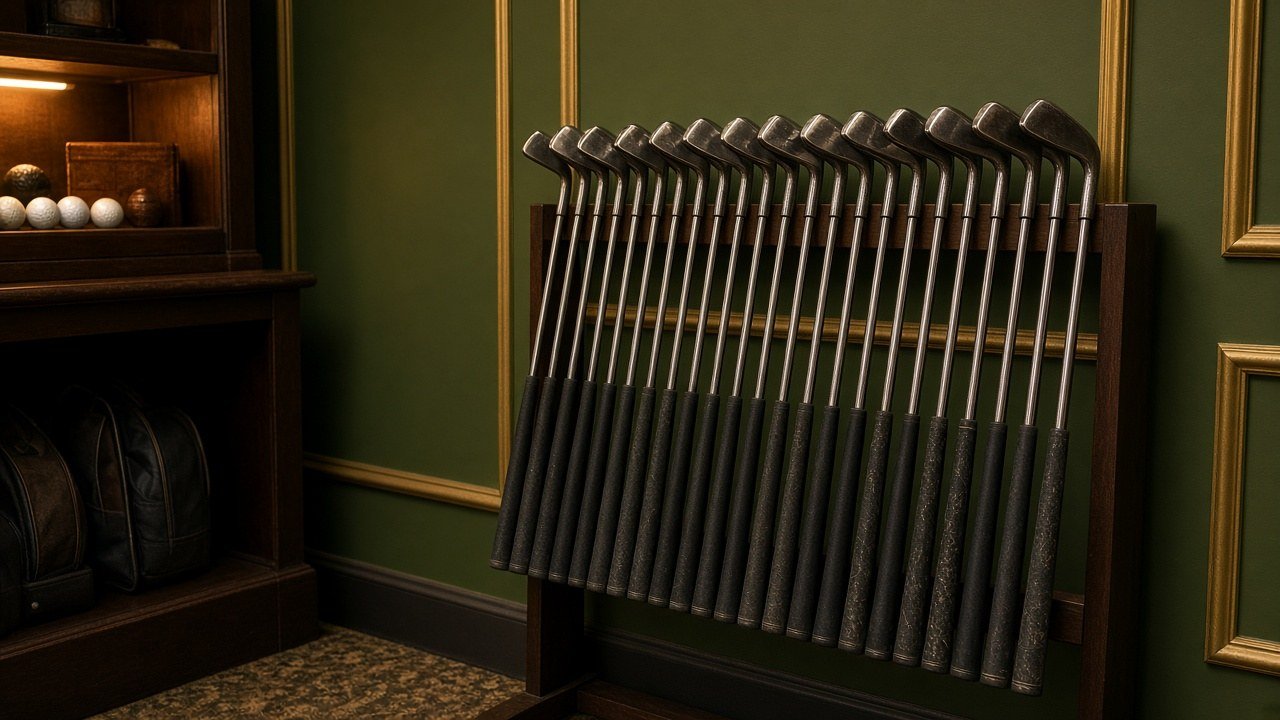
Why used makes sense for beginners
Takeaway: The biggest price drop happens in a club's first year or two; the performance drop is much smaller.
Major brands now launch new drivers roughly every one to two years, usually in January, and the outgoing model tends to be discounted when the new one lands, as our driver release dates page shows. That cycle means a two- or three-year-old club often sells for a fraction of its launch price. For a beginner who is still working out swing speed, loft and flex, that lower cost of a wrong guess matters more than the latest technology.
What to buy used vs new
| Item | Used? | Why |
|---|---|---|
| Iron set | Yes | Durable heads; check grooves and shaft condition |
| Driver (last ~5 model years) | Yes | Adjustable hosels and 460cc heads have been standard for years; check the face and crown |
| Fairway woods and hybrids | Yes | Little performance change between generations for beginners |
| Putter | Yes | Very durable; try it before buying if you can |
| Wedges | Maybe | Grooves wear; heavily used wedges spin less |
| Grips | Replace | Old grips get slick and hard; budget to regrip used clubs |
| Balls | Used/recycled balls are fine | Avoid "refinished" balls if you want consistency |
| Shoes and gloves | New | Fit and hygiene |
How old is too old for a driver?
Takeaway: For drivers, adjustability and head size matter more than the model year.
Our used driver value guide rates 56 older drivers, from the 1998 Titleist 975D to 2023 models, and links each one to its eBay sold listings so you can see real prices instead of guesses. Its rule of thumb: newer, adjustable 460cc heads score best. 460cc is the legal maximum head size, so anything at that size is as large as a modern head. If you would rather buy new on a budget, see our budget golf drivers.
The 12-point used club inspection
- Face: no cracks, dents or caving (a cracked driver face is a hard no)
- Crown: no dents; sky marks (paint scuffs on top) are cosmetic but lower the price
- Rattle: shake the head; a rattle can mean loose glue or a broken weight
- Shaft: no cracks or splinters near the hosel (graphite), no rust pits or bends (steel)
- Shaft label: brand, model and flex match the listing
- Length: matches standard or your needs (see the club length calculator)
- Grip: model and size; factor in a regrip if it is shiny or cracked
- Grooves (irons and wedges): edges should still feel sharp to a fingernail
- Ferrule and hosel: no gaps or movement
- Adjustable hosel: the adapter matches the head brand; a wrench is a bonus
- Head cover: nice to have, not essential
- Serial number: present on most modern heads; missing or messy numbers are a warning sign
Spotting fakes
Takeaway: If a "new" current-model club is far below every other listing, assume it is counterfeit.
Counterfeit clubs copy the look of popular models but often use poor heads and shafts. Warning signs: prices far below market, overseas sellers with many identical "new" listings, misspelled logos, sloppy paint fill, missing serial numbers, and shafts with unfamiliar labels. Buy from established retailers, trade-in programmes or private sellers who let you inspect the club in person.
Match the specs before the price
A bargain in the wrong flex or loft is not a bargain. Before you buy, check the loft against our driver loft guide and the shaft flex against the shaft flex guide. For irons, confirm the lofts on the manufacturer's spec page; sets from different years can differ by several degrees per club (see the loft chart).
Where to buy used
| Where to buy | Pros | Cons |
|---|---|---|
| Golf shop trade-in racks | Inspect and waggle before buying; sometimes a return window | Prices a little higher |
| Specialist used-club retailers online | Graded condition, return policies | Can't swing before buying |
| Auction and marketplace sites | Widest choice, lowest prices | Fake and condition risk; inspect photos closely |
| Club members and friends | Often well-kept clubs, low prices | Limited choice |
Common beginner mistakes
- Buying a tour-spec club (low loft, X-flex) because it was cheap.
- Mixing shafts across an iron set without knowing it; check every shaft label.
- Forgetting to budget for grips.
- Buying very old drivers with small heads or no adjustability to save a little more.
- Not checking the left/right hand in listings. It happens more often than you'd think.
Frequently asked questions
Should beginners buy used golf clubs?
Usually yes. Recent used clubs cost much less and play almost the same, which limits the cost of choosing the wrong loft or flex while you learn.
What golf clubs should you not buy used?
Very worn wedges with flat grooves, clubs with cracked faces or shafts, and anything you can't verify is authentic. Buy gloves and shoes new.
How old is too old for a used driver?
Look for a 460cc head with an adjustable hosel. Our used driver value guide rates 56 older models and links to their sold prices.
How do you spot fake golf clubs?
Prices far below market, many identical new listings from one seller, poor paint fill, odd shaft labels and missing serial numbers.
Do I need to regrip used clubs?
Often. If grips are shiny, hard or cracked, budget to replace them.